 HellenicNutriFlow
Understanding Nutrition Science
An educational resource exploring how your body regulates weight and the science behind nutrition
An educational resource exploring how your body regulates weight and the science behind nutrition
Navigate to our educational content about nutrition and metabolic health
Learn about HellenicNutriFlow and our mission to provide science-based nutrition education.
Learn MoreExplore our collection of educational articles on nutrition science and metabolic health.
Read ArticlesHave questions or suggestions? Get in touch with the HellenicNutriFlow team.
Send MessageBody weight is regulated by complex biological systems involving energy balance, hormones, and metabolic function
Body weight is fundamentally regulated by the relationship between energy consumed and energy expended. The body's metabolic rate—the amount of energy it uses at rest—varies between individuals based on factors like age, body composition, genetics, and hormonal status.
Understanding that weight is regulated by multiple interconnected systems rather than a simple input-output equation reflects modern scientific knowledge. Hormones, neural signals, and metabolic adaptations all play roles in how the body maintains weight homeostasis.

The Mediterranean diet represents a science-based approach to nutrition emphasizing whole foods and nutritional balance

The Mediterranean dietary pattern emphasizes vegetables, whole grains, legumes, nuts, fish, and olive oil. This approach has been studied extensively and is associated with favorable health outcomes including metabolic health, cardiovascular function, and overall well-being.
The Mediterranean pattern represents a sustainable approach to nutrition that emphasizes food quality, variety, and balance rather than restriction. It includes all food groups and accommodates individual preferences, making it adaptable to different lifestyles and cultures.
What makes this pattern effective is its foundation in whole foods, abundant plant foods, and moderate portions—principles applicable to any culture's traditional foodways.
Understanding how your body uses energy provides foundation for understanding nutrition and metabolic health
Your body expends energy in three primary ways: basal metabolic rate (energy used at rest), thermic effect of food (energy used to digest food), and physical activity (structured exercise and movement).
Basal metabolic rate represents the largest portion of daily energy expenditure for most people. It is influenced by body composition, age, genetics, and hormonal status. Thermic effect of food varies by macronutrient composition, with protein requiring more energy to digest than carbohydrates or fats.
Physical activity includes both structured exercise and daily movement. Even light activity throughout the day contributes significantly to total energy expenditure, which is why sedentary behavior reduces daily energy needs.

HellenicNutriFlow is an independent educational resource with no commercial interests in weight-loss products, diets, or supplements. We explain nutrition science without promoting specific programs. Our focus is helping people understand how nutrition actually works, not selling solutions.
HellenicNutriFlow is educational, not a medical service. The information is based on established scientific knowledge, but this is not medical advice. For medical questions or personal health decisions, consult qualified healthcare professionals. We encourage you to verify information with professional sources.
Understanding how nutrition works helps you evaluate different dietary approaches critically rather than following trends. Science-based knowledge allows you to make informed decisions aligned with your values and circumstances, rather than being influenced by marketing or misinformation.
Research shows that food quality and total caloric intake matter more than precise macronutrient ratios for most people. That said, adequate protein is important, and the balance of different foods affects satiety and nutrient status. Individual responses vary, so there is no single optimal ratio for everyone.
This site provides educational information that can help you understand nutrition and metabolic processes. However, we do not provide weight-loss services or personal recommendations. For personal health goals, work with qualified healthcare professionals or registered dietitians who can provide individualized guidance.
Different dietary patterns work for different people because adherence matters more than diet type. A diet you can sustain is more effective than a theoretically superior diet you cannot follow. The best diet is one built on whole foods, includes foods you enjoy, and fits your lifestyle.
Misinformation about nutrition is widespread. Here we address some common misconceptions with scientific context.
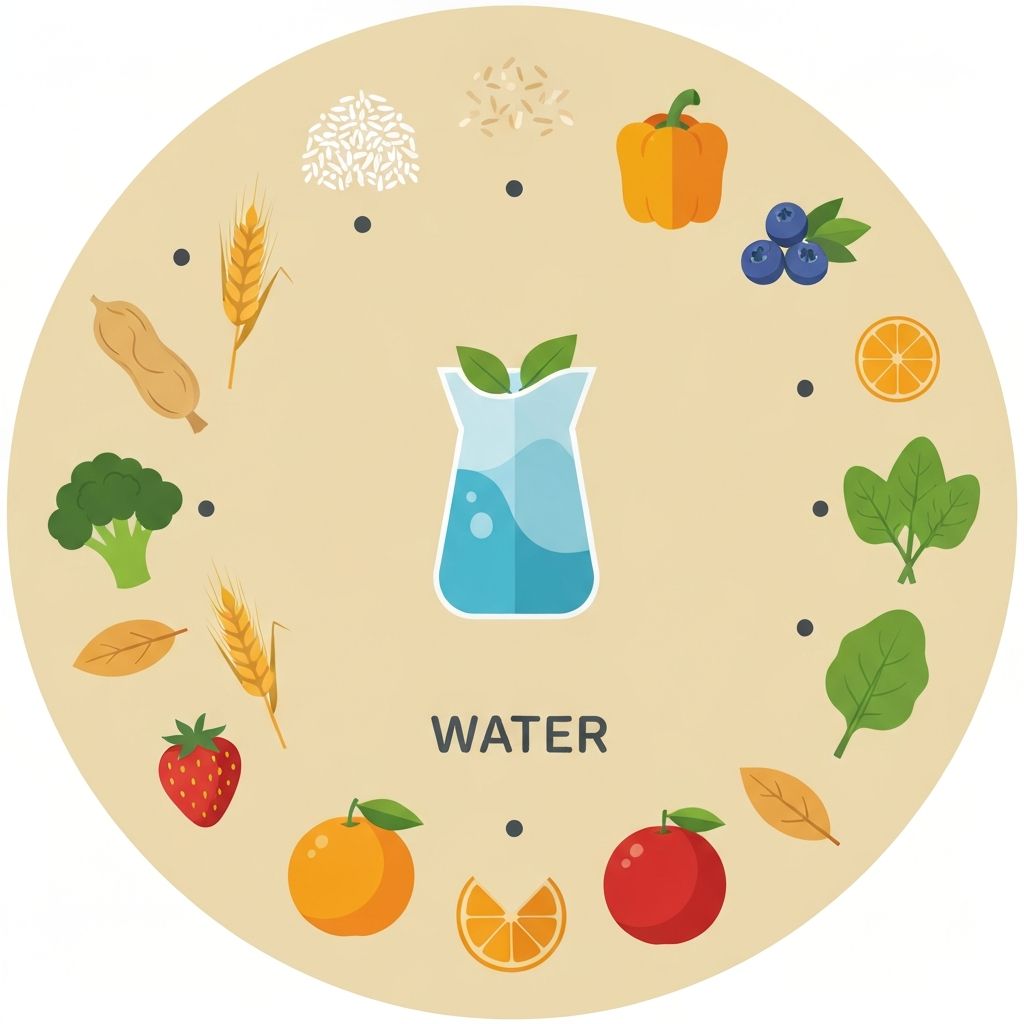
Myth: "Carbohydrates are bad and cause weight gain."
Fact: Carbohydrates are the body's preferred fuel source. Weight gain occurs when total energy intake exceeds expenditure, regardless of macronutrient composition. Whole-food carbohydrates provide energy, fiber, and nutrients.
Myth: "You must eat very frequently to maintain metabolism."
Fact: Meal frequency has minimal effect on metabolic rate. What matters is total daily intake and expenditure. Some people feel better eating frequently; others prefer fewer meals. Choose based on hunger and satiety signals.
Myth: "Specific foods burn fat or speed metabolism."
Fact: No single food dramatically alters metabolism or causes localized fat loss. All foods require energy to digest, but no food creates a significant metabolic boost. Overall dietary patterns and activity matter more than individual food choices.
Explore our educational articles and resources to deepen your understanding of how nutrition science works.
Explore ArticlesEducational content only. No medical services. No promises of outcomes.